 Free Delivery On Orders Over $180
  Same Day Delivery
  Click & Collect
  Installment Payment
  Store Locations
  eGift Card
 Homes designed with AI
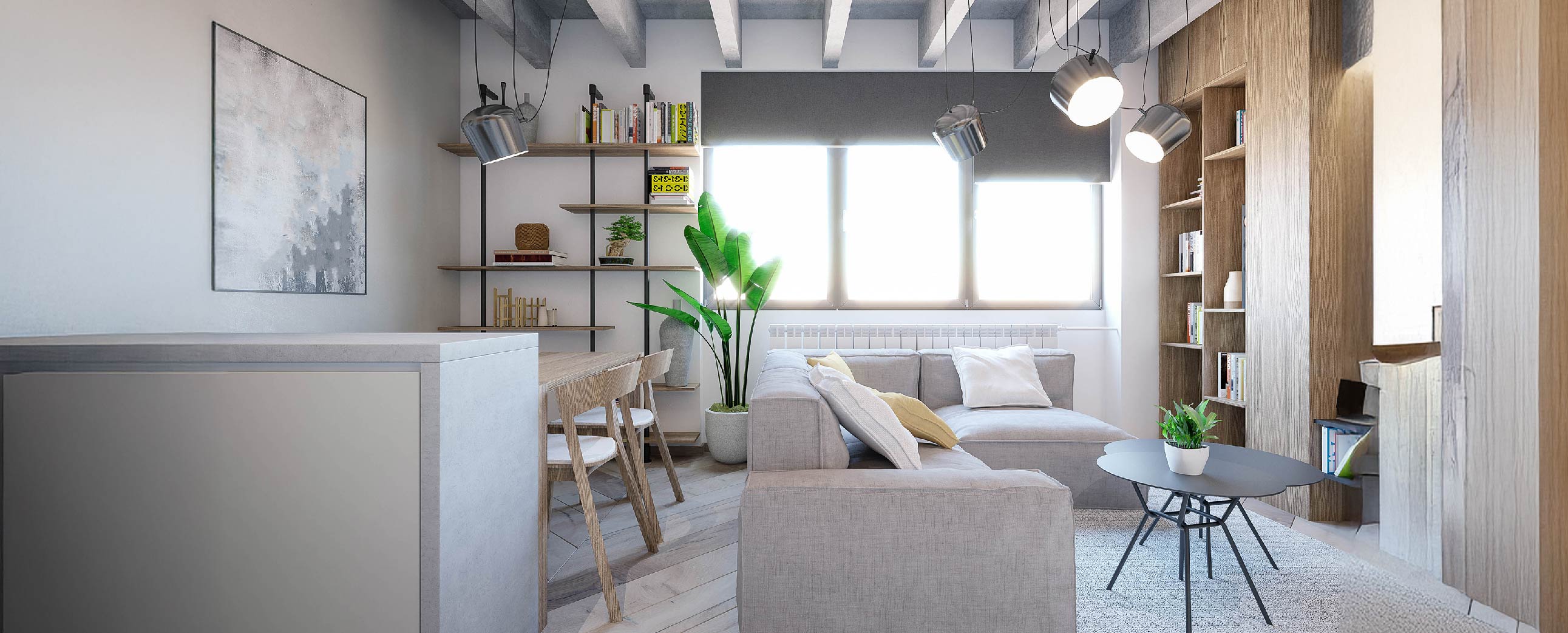
FROM INSPIRATION TO CLARITY
Designers are finding new ways to help homeowners see their ideas come together sooner. Instead of guessing how different elements might work, families can now get a clearer sense of layout, scale, and atmosphere right from the early stages. It’s reassuring to see your future home take shape, even before work begins. That early visibility makes planning feel calmer and helps everyone move forward with greater confidence.
“As AI becomes more involved in design workflows, the renovation journey becomes more collaborative and transparent.”

SMARTER TOOLS, FAMILIAR WORKFLOWS
Good design still comes first. The difference now is that designers can show homeowners how ideas might work much earlier in the process, using familiar platforms like SketchUp and Autodesk Revit to explore layouts and room flow. These platforms let designers create a digital version of your home, making it easier to move things around virtually before anything is built. Homeowners can see how different layouts affect everyday living, from kitchen flow to work-from-home corners, helping them choose what feels right long before renovation starts.
For HDB homes, where every square metre matters, this makes it easier to plan practical details like storage, walkways, and comfortable living spaces without giving up on style. Homeowners can see different possibilities upfront, whether it’s a better kitchen layout or a more workable home office setup.
WHERE IDEAS START TO FEEL REAL
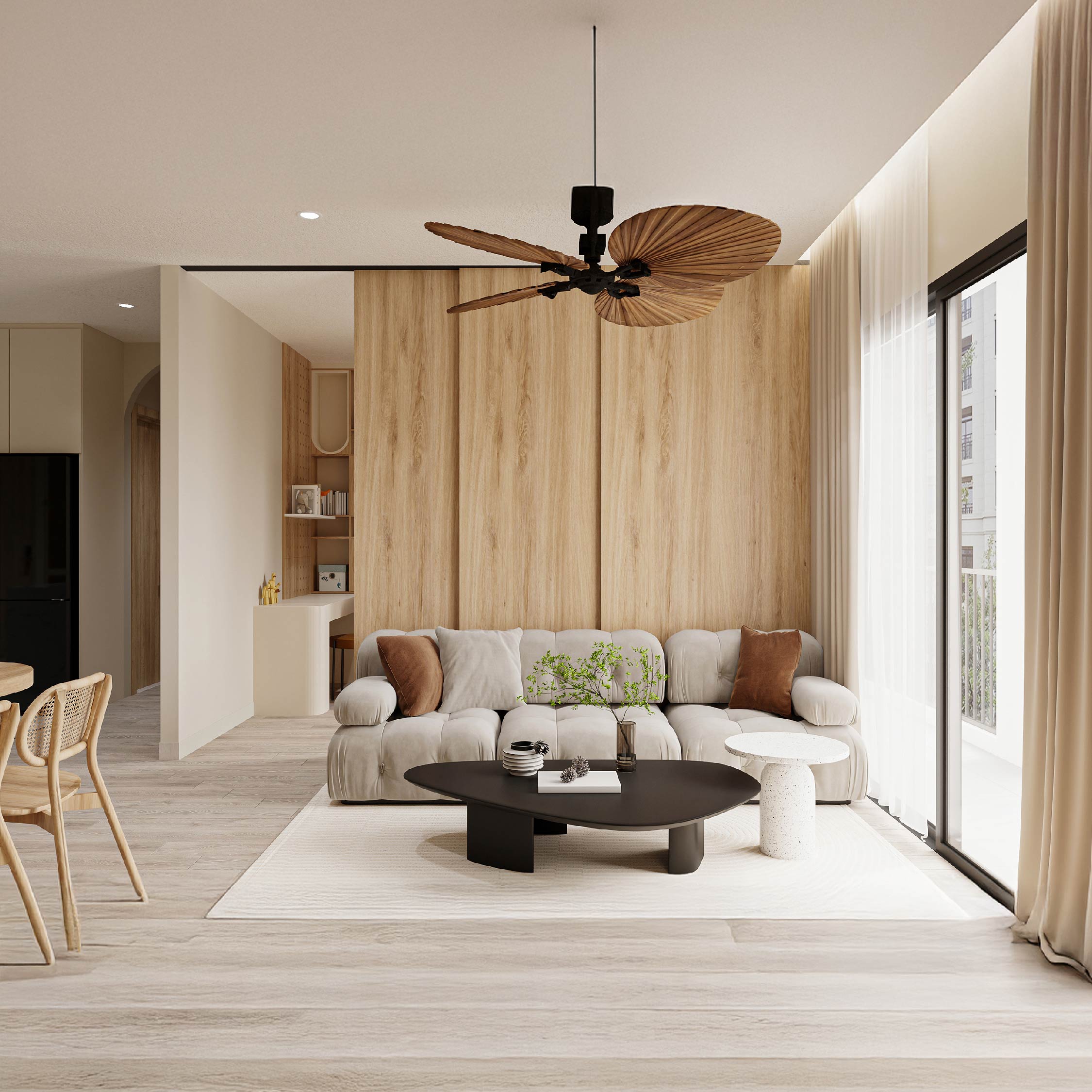
Visualisation tools now allow homeowners to experience their future spaces long before construction begins. Using rendering software like Lumion, designers can show how lighting, materials, and textures come together, helping homeowners compare options such as sofa sizes, dining table placement, or built-in cabinetry before making final decisions.
This is especially helpful in our homes, where daylight changes depending on orientation, window placement, and neighbouring blocks. Being able to preview how a living room feels in the afternoon sun or under warm evening lighting gives homeowners a clearer sense of mood and comfort, making it easier to choose furniture and finishes that suit everyday living.

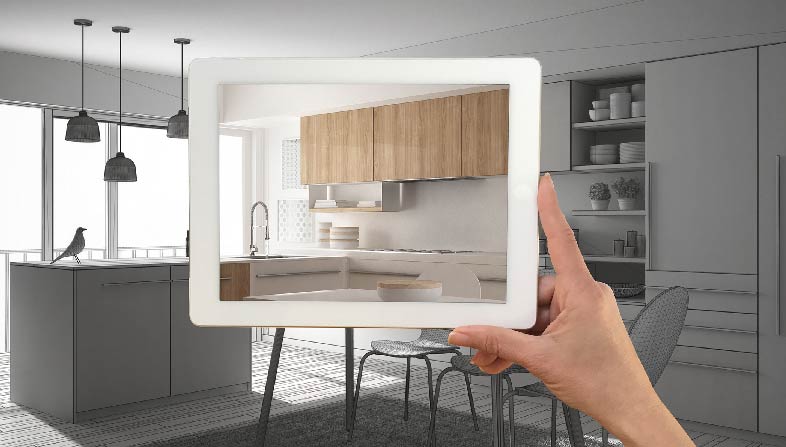
TRANSLATING PREFERENCES INTO PERSONAL SPACES
At the concept stage, designers also turn to AI-driven visual platforms such as Midjourney and Stable Diffusion to create mood imagery that reflects different lifestyles, from contemporary minimalism to resort-inspired living.
Clearer visuals lead to more personalised outcomes. A family with young children may prioritise durability and storage, while couples working from home might focus on zoning and acoustics. Tools like Planner 5D and Spacely AI give designers a stronger starting point to tailor each home around how people actually live.
Can AI Replace Your Interior Designer?
Short answer: No. But it can help homeowners get clearer about what they want, earlier in the renovation journey.
Start with mood,not measurements
Use AI tools to explore the overall look and feel, such as colours, materials, lighting mood, and style direction. AI works best at capturing atmosphere rather than exact dimensions.
Keep prompts simple and specific Short prompts work best. Try phrases like:
• Warm neutral living room with built-in storage
• Calm bedroom with soft lighting and natural textures
• Compact HDB dining area with space-saving furniture
This helps generate clearer, more usable visuals.
Use AI to narrow down preferences
AI helps homeowners quickly identify their preferences before committing to design decisions that affect budget and layout.
Bring AI visuals into designer discussions
Treat AI images as conversation starters. Sharing them with your interior designer helps communicate expectations faster and reduces early backand-forth.
Understand what AI cannot do
AI does not account for site conditions, renovation regulations, or construction details. Professional designers still manage measurements, technical planning, and execution, which is especially important in homes.
See AI as part of a collaborative journey
When applied properly, it brings clarity to planning and communication, helping turn renovation ideas into homes that truly reflect how you live.